
March 15, 2026
Clay’s 2026 Pricing Update: Social Media Reactions and User Sentiment Analysis
Clay’s latest pricing overhaul dropped right as teams were planning their Q2 budget runs. New plans, lower data credit costs, dropped tiers — the response across Twitter and LinkedIn has been non-stop. Here’s exactly what changed, how actual users are reacting, and the angles people miss when deciding if Clay’s new pricing is worth it.
H2 How did Clay’s new pricing actually change?
Clay revamped its plans in March 2026 and slashed third-party data charges up to 90%. Teams have to pick between Launch and Growth tiers — Starter, Explorer, and Pro are gone. You don’t get charged for failed enrichments anymore, but some users have to pay more to get the features they were using last month.
Example: Laura, a growth ops manager in Chicago, ran a side-by-side cost test right after the update. Her team’s monthly enrichment spend dropped from $710 to $310, even after shifting up a tier. She moved off Explorer and debated between Launch (cheaper, but fewer API hooks) and Growth (covers her messy CRM syncs, but costs $495/mo instead of $349). No surprise: most Reddit discussions immediately compared their “new normal” bills with old PDF invoices.
How to do it right: Re-calculate your expected actions and data credit use with your actual workflow. Check if you’re one of the Explorer users forced to upgrade, or if the CRM features you used to beg procurement for are now 38% cheaper. Use the new credit estimator tool Clay built — a few devs linked it on HackerNews after update week.
How people usually mess this up: Skipping the real math — folks anchor on headline data savings (50–90%) but miss the jump in plan fees. Some ignored the division between ‘actions’ and ‘data credits’ and ended up with surprise overages after moving campaigns over. Others on low-volume accounts barely noticed the changes but got spooked by team Slack threads on price hikes.
H2 What’s the real mood on Twitter and LinkedIn about Clay’s move?
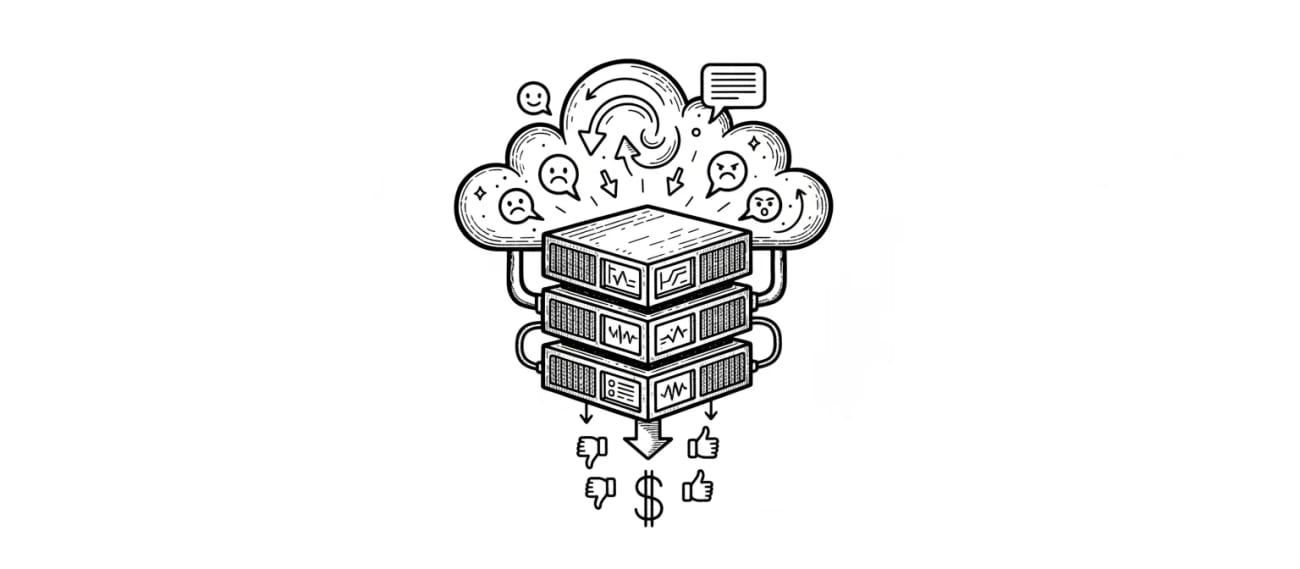
Most team leads who post on X and LinkedIn fall into two camps: People stoked about finally affordable data enrichment, and salty mid-market orgs stuck in costlier buckets. Search “Clay pricing 2026” or “Clay vs Cleanlist” and you’ll find a split between power users estimating their total cost of ownership and side-eyes from companies with smaller databases.
Real world: Several LinkedIn threads by agency owners trended the week after the update — one, led by Cindy from a SaaS lead gen shop, described how her team’s Clay bill dropped right after switching to the new CRM-integrated Growth plan. In contrast, a dev at a B2B fintech shop ranted on Twitter about losing HTTP API access unless he convinced finance to approve the $495 plan.
What works: Post your own numbers and workflows — that’s what gets useful replies. On Reddit’s r/salesops, folks who gave actual per-contact cost breakdowns got useful feedback (including advice to switch to Cleanlist for certain campaign types).
Easy to mess up: Taking LinkedIn “celebrations” at face value. Some were sponsored or thinly veiled demand gen posts. Assume the loudest posts might have context you don’t.
H2 Which teams benefit most from Clay’s new plans?
Clay’s aggressive data credit price drop means heavy enrichment users — teams pulling thousands of new contacts or per-campaign enrichments — come out ahead. Large agencies, outbound-heavy SaaS, and growth hackers able to flex workflows from Clay’s marketplace see major gains.
Example: At an NYC SaaS shop, after the changes, the outbound SDR team cut their contact cost from $0.94 to $0.31 just by swapping in a different provider on the new “Growth” plan. He raved in a private Slack that project overages finally stopped surprising him — but only after a few weeks of “Are we really being billed correctly now?”
Do it right: Rebuild your workflows to take actual advantage of the cheaper providers and the pro features that are now standard in Growth. Double-check where “actions” might bottleneck your batch jobs.
How people mess up: Ignoring the new dual system (actions vs data credits), or not tracking usage until the statement arrives. Some Redditors tried to brute-force old workflows into new plans and paid more — especially those coming off the deprecated Explorer tier hoping $185 Launch would fit their old routine.
H2 Who gets squeezed by the update, and how are they handling it?
Smaller orgs, bootstrapped shops, or startups living on old Explorer got squeezed — Launch doesn’t bring over the HTTP API, and Growth is a $146 bump over Explorer. The complaining on X was immediate, with one dev live-tweeting his “30% plan increase sucked my runway flat.”
How to manage: Audit if you can replace Clay with Cleanlist or another data tool for barebones use cases, especially if you just want static enrichment and don’t need orchestration. If you’re mostly using Clay actions, but not marketplace data, rethink if you’re trapping your team in a plan tier with little ROI.
Classic mistake: Letting inertia push the decision. Reddit stories tell of ops leads who waited too long, wrote up a complex ROI sheet, and then got locked into an “upgraded” annual plan with features nobody used.
H2 How does Clay stack up against Cleanlist and similar rivals after the new pricing?
Power users and founders immediately ran the numbers. Cleanlist offers lower baseline fees, all-in-one CRM features (even on the free tier), and flat enrichment costs. Teams bolting together custom workflows or needing rare data sources still favor Clay.
Example: In a Quora answer, Angela, CTO at a fintech startup, broke down $229/month Cleanlist for 1,000 contacts vs $1,300–$2,400 for similar volume on Clay’s Growth. She stuck with Cleanlist for her lean workflow, but admitted if her team’s automation roadmap becomes a tangle, she’d reconsider.
How to analyze: Chart your “end-to-end” process. If 70% of your value comes from enrichment alone, Cleanlist or similar is hard to beat. If you chain three tools, automate outreach, and want AI research tasks tied in, Clay’s higher sticker price might be justified.
Mistakes: Chasing low-credit costs but not clocking the engineering lift or time to go live. One startup lost a week’s worth of onboarding before realizing their needs were “not that complex, shoulda gone with Cleanlist’s waterfall.”
H2 Common user questions about Clay’s new pricing model
With the 2026 pricing switch, Clay gave high-usage teams a windfall, pushed some budget users out, and kicked off a new wave of social stack switching debates. Play the numbers, not the hype, and you’re set.
FAQ
Is CRM integration really cheaper now, or is it marketing spin?
CRM sync moved down from $800/mo to $495/mo, so teams wanting Salesforce/HubSpot tie-ins genuinely save cash. But if you only needed API or webhooks, and were happy on Explorer, you now pay up.
Are overage costs still a trap?
Data top-ups cost less now (premium dropped from 50% to 30%), and failed lookups aren’t charged. But if you don’t separate “actions” and “data” in your forecasts, you might get stung.
Which teams should switch to Cleanlist after this?
Teams running simple enrichments, not customizing heavy workflows, and wanting predictable costs. Cleanlist’s pricing is flatter, especially if you seldom use third-party marketplace providers.
Can I bring my own API keys and avoid Clay’s marketplace charge?
Still possible, but the pricing now favors those who combine marketplace data and platform orchestration. Teams doing lots of BYOK with minimal Clay automation sometimes find the fee bump isn’t worth it.
How do I estimate my real bill under the new system?
Run through the Clay estimator, tally up your expected data provider usage, and add up your projected “actions.” Ask other users in Slack/Reddit/LinkedIn for what their first invoice under the new plan landed at — direct user data beats any pricing calculator.
Is CRM integration really cheaper now, or is it marketing spin?
CRM sync moved down from $800/mo to $495/mo, so teams wanting Salesforce/HubSpot tie-ins genuinely save cash. But if you only needed API or webhooks, and were happy on Explorer, you now pay up.
Are overage costs still a trap?
Which teams should switch to Cleanlist after this?
Can I bring my own API keys and avoid Clay’s marketplace charge?
How do I estimate my real bill under the new system?